7 Things to Look for When Buying a Used SUV
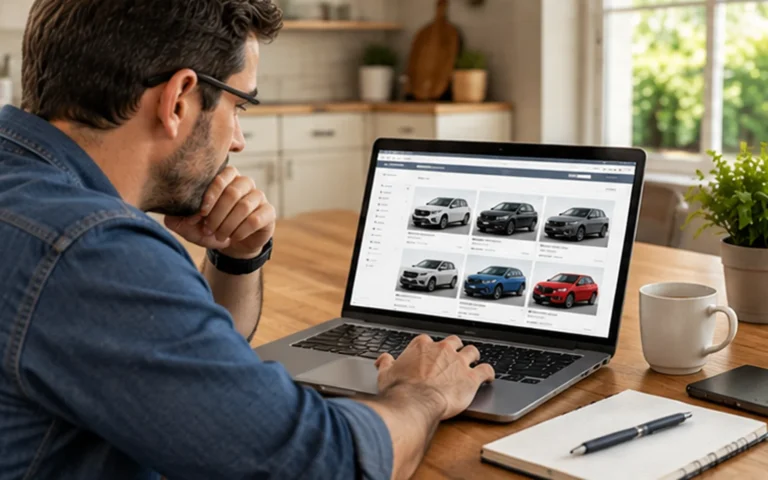
Buying a used SUV can be a great way to get the space, comfort, and versatility you need without purchasing a brand-new vehicle. Whether you’re looking for something to handle your daily commute, weekend road trips, or family adventures, there are plenty of options to consider.
But not all used SUVs are created equal. Before you fall in love with a vehicle, it’s worth taking a closer look at a few important details. A little research and a careful inspection can help you avoid surprises and find an SUV that fits your lifestyle.
Here are seven things to check before buying your next used SUV.
1. Check the Vehicle’s History
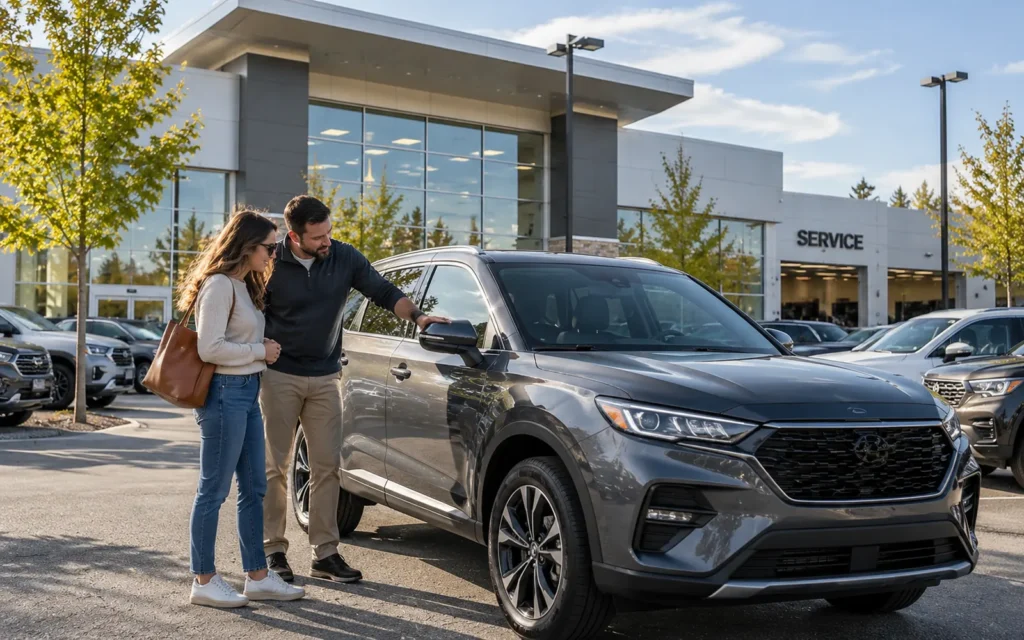
Before you get behind the wheel, ask about the SUV’s history. A vehicle history report may provide information about previous accidents, title issues, reported mileage, and ownership changes.
Keep in mind that these reports don’t always tell the whole story. Some accidents or repairs may never have been reported, so a clean history report doesn’t automatically mean the vehicle is problem-free.
Ask the dealership about available maintenance records, previous ownership, and any repairs that have been completed. The more you know about the SUV’s past, the easier it is to make an informed decision.
2. Take a Good Look at the Exterior
Walk around the SUV and inspect the body from different angles. Look for dents, scratches, rust, uneven paint, or gaps between body panels.
Minor cosmetic wear is common on used vehicles, but noticeable differences in paint color or panel alignment could indicate previous repairs.
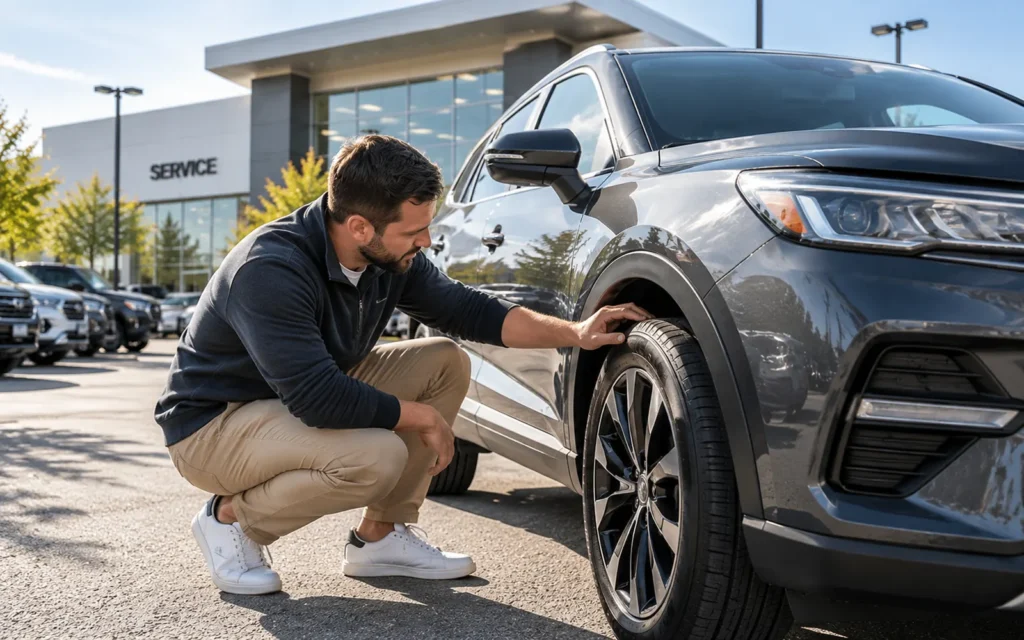
Pay attention to the tires, too. Uneven tire wear might point to alignment or suspension issues. Check that all four tires have adequate tread and appear to be in good condition.
Don’t forget to look underneath the vehicle for signs of leaks, corrosion, or damage.
3. Inspect the Interior and Features
You’ll probably spend a lot of time inside your SUV, so make sure it’s comfortable and everything works as expected.
Check the seats, carpeting, dashboard, and interior trim for excessive wear. Test the air conditioning, heater, power windows, door locks, and entertainment system.
If the SUV has features like heated seats, a backup camera, or a power liftgate, take a moment to test those as well.
Think about how you’ll actually use the vehicle. Is there enough legroom for your passengers? Will your groceries, sports equipment, or luggage fit comfortably in the cargo area?
A vehicle can look great on the outside but still fall short of your everyday needs.
4. Look at Mileage and Maintenance
Mileage matters, but it shouldn’t be the only factor in your decision.
An SUV with higher mileage and a consistent maintenance history may be a better choice than one with fewer miles that hasn’t been properly cared for.
Ask whether routine services like oil changes, brake inspections, and fluid replacements have been performed.
It’s also worth checking the manufacturer’s recommended maintenance schedule to see if any major services may be coming up.
Remember that the vehicle’s age, driving conditions, and overall care can be just as important as the number on the odometer.
5. Take It for a Real Test Drive
A test drive is one of the best ways to get a feel for a used SUV.
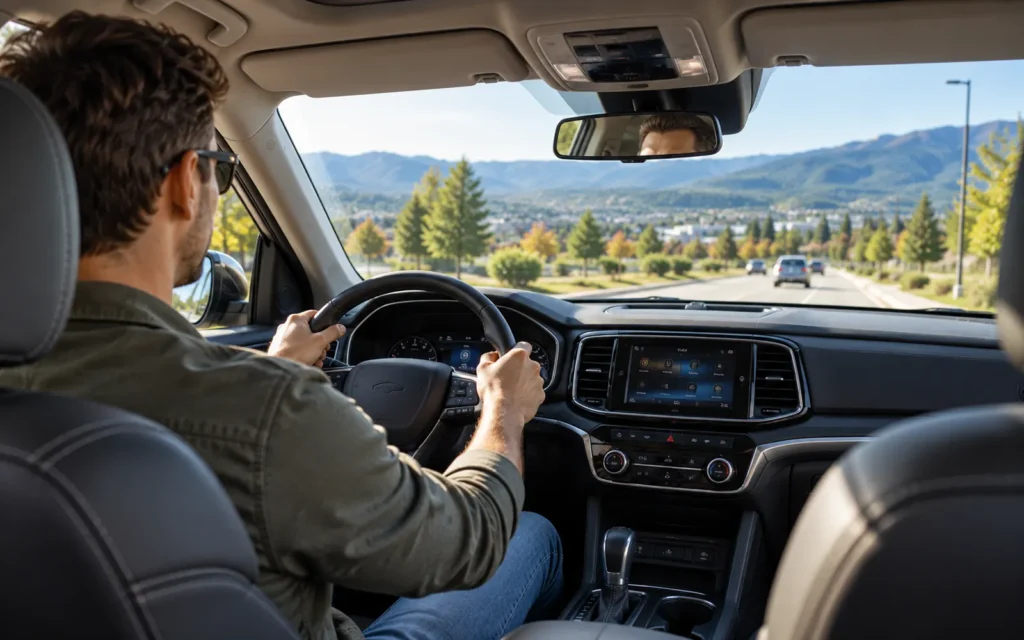
Try driving on a combination of neighborhood streets and highways when possible. Pay attention to how the SUV accelerates, brakes, steers, and handles bumps.
Listen for unusual noises, rattles, or vibrations. Make sure the transmission shifts smoothly and the vehicle doesn’t pull to one side when braking.
Check visibility from the driver’s seat, especially when changing lanes, parking, or backing up.
And don’t rush. A good test drive should give you enough time to decide whether the SUV feels comfortable and easy to drive.
6. Consider Fuel Economy and Ownership Costs
The purchase price is only part of the cost of owning an SUV.
Larger SUVs may offer more passenger room and cargo space, but they can also use more fuel than smaller models.
Think about how much you drive each week and whether you really need the additional space or towing capability.
You should also consider insurance, maintenance, tires, and potential repairs. Getting an insurance quote before purchasing can help you understand what to expect.
Choosing an SUV that fits both your needs and your ongoing budget can make ownership more enjoyable.
7. Have the SUV Inspected Before Buying
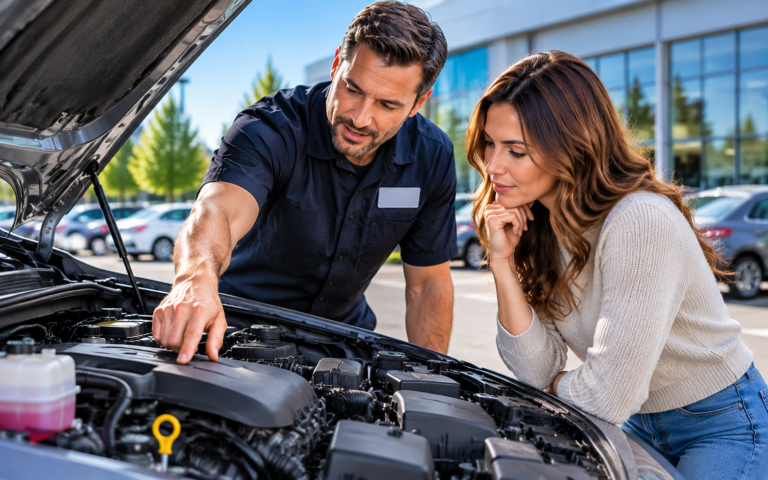
Even if an SUV looks clean and drives well, having it inspected by an independent, qualified mechanic is a smart idea.
A professional inspection may uncover issues that aren’t obvious during a walkaround or test drive, including problems with the brakes, suspension, engine, or drivetrain.
Ask about any existing warranties and whether the vehicle is being sold as-is. Make sure you understand what is and isn’t covered before signing paperwork.
A little extra time spent checking the vehicle now could help you avoid unexpected expenses later.
Find Your Next Used SUV at Abc Car Dealer
Shopping for a used SUV doesn’t have to be complicated. By checking the vehicle’s history, inspecting its condition, and taking a thorough test drive, you’ll be better prepared to choose something that works for you.
At Abc Car Dealer in Seattle, WA, we’re here to help you explore your options, compare vehicles, and find an SUV that fits your everyday needs.
Have questions about a vehicle? Give us a call at 555-555-0126, or browse our current selection online.
Shop Our Used SUVs